
How technology reshapes
labor and the economy
We study how artificial intelligence and robotics are transforming work — measuring their impact, understanding human–AI interaction, studying people's beliefs and policy preferences, and developing the policy frameworks to navigate what comes next.
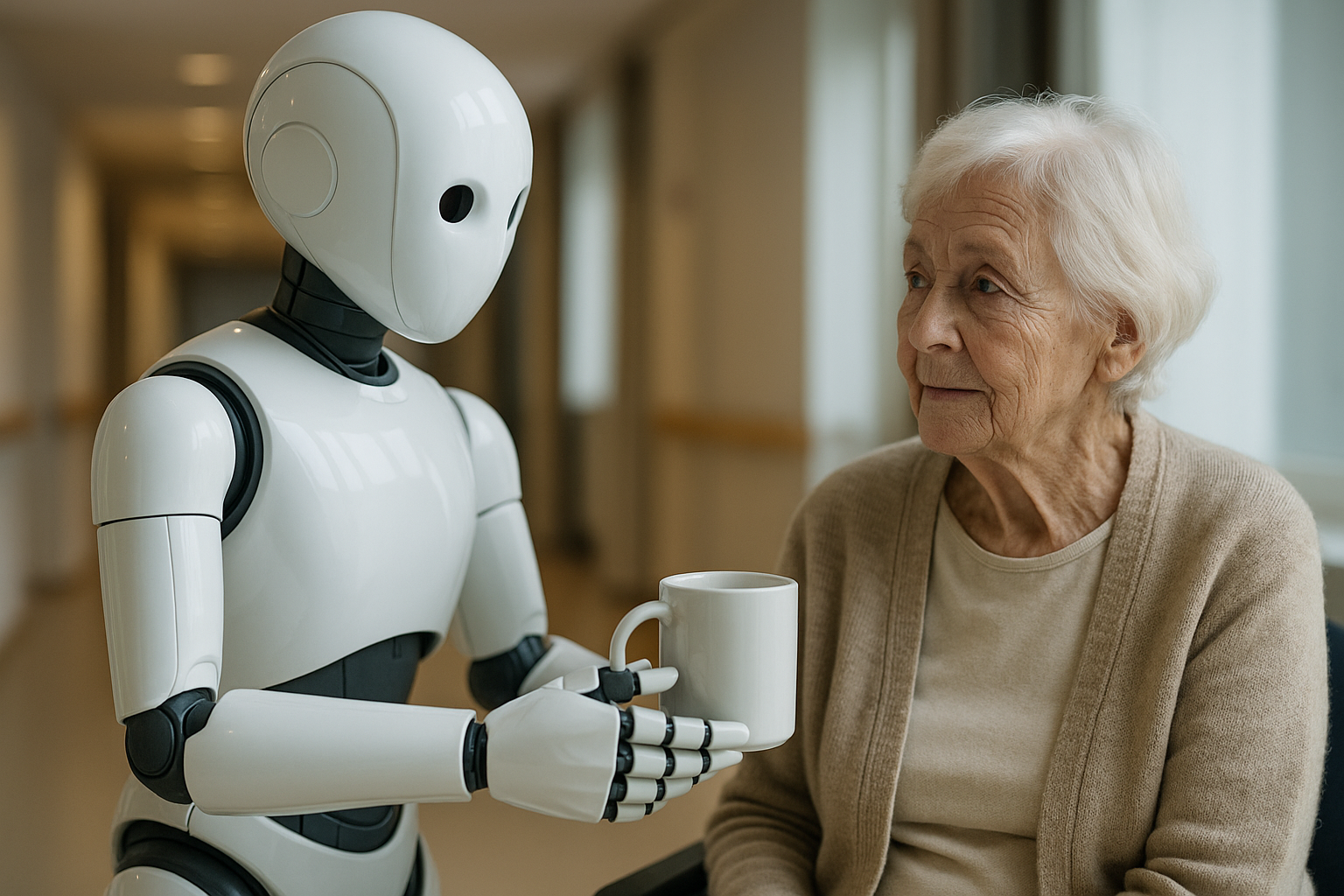
Measuring and understanding how AI and robotics reshape employment, wages, and the structure of work — from occupational exposure scores and CPS analysis to facility-level studies of robot adoption.
The Future of Labor Lab investigates how artificial intelligence and robotics are reshaping work, labor markets, and the broader economy — and how beliefs about these technological shifts influence people's behaviors and policy preferences.
Recent news
Latest work
Managers as Gatekeepers in the Age of AI
Middle managers act as gatekeepers to AI adoption: exposure to information about AI's labor-displacing potential reduces both intended AI adoption and…
The Case for Integrated Assessment to Design Data Centers of the Future
A commentary arguing that fragmented approaches to data center development should give way to a justice-centered integrated assessment framework that …
There Are Futures That Benchmark-Driven AI Cannot See
Arguing that AI's benchmark-centered selection environment taxes exaptation, and proposing mechanisms to restore exaptive capacity without abandoning …
Robots and Labor in the Service Sector: Evidence from Nursing Homes
Examining how robot adoption affects staffing in Japanese nursing homes, finding that robot use reduces retention difficulties and increases flexible …